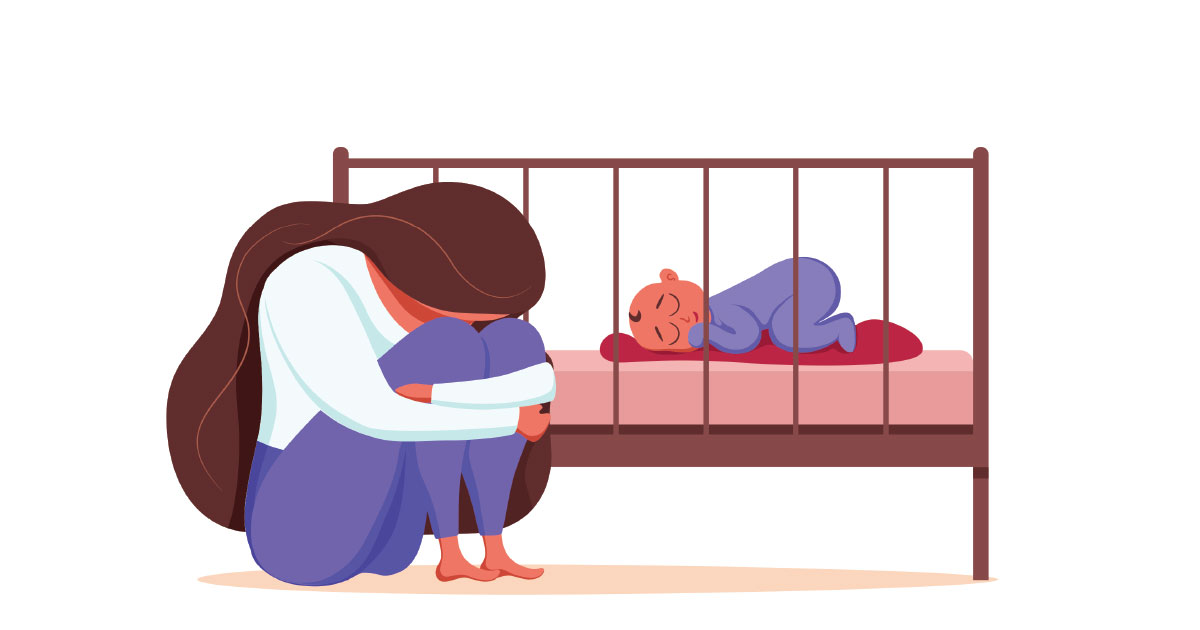
Becoming a mother is a life-changing experience filled with joy, love, and new responsibilities. However, for many women, the postpartum period can also bring unexpected emotional challenges. Postpartum Depression (PPD) is a common condition that affects mothers after childbirth, causing feelings of sadness, anxiety, and overwhelming exhaustion. Recognizing the signs early and seeking help is essential for recovery.
What is Postpartum Depression?
Postpartum Depression is more than just the “baby blues.” While mood swings, irritability, and fatigue are normal after delivery, PPD is a deeper and longer-lasting form of depression. It can affect a mother’s ability to care for herself and her baby if not addressed.
Common Symptoms of PPD
Persistent sadness, emptiness, or hopelessness
Difficulty bonding with the baby
Loss of interest in activities once enjoyed
Sleep disturbances or oversleeping
Changes in appetite
Feeling overwhelmed, guilty, or worthless
Thoughts of harming self or the baby (in severe cases)
Tips to Overcome Postpartum Depression
Seek Professional Support Talking to a doctor, therapist, or counselor is the most effective way to manage PPD. Sometimes, medication may also be prescribed for severe cases.
Communicate with Loved Ones Sharing feelings with your partner, family, or friends reduces emotional burden. Don’t hesitate to ask for help with baby care or household tasks.
Practice Self-Care
Get enough rest whenever possible.
Eat a balanced diet to maintain energy and mood balance.
Engage in gentle exercises like walking or yoga, which help release endorphins.
Build a Support Network Join mothers’ support groups or online communities where you can connect with others experiencing similar challenges.
Mindfulness & Relaxation Techniques Meditation, deep breathing, or even short daily relaxation routines can reduce stress and improve emotional well-being.
Avoid Isolation Spending time outdoors, meeting close friends, or even a simple walk can refresh your mind and ease feelings of loneliness.
Set Realistic Expectations Motherhood can be overwhelming. Remind yourself that it’s okay not to be perfect. Focus on small victories and progress.
When to Seek Urgent Help
If you experience thoughts of self-harm or harming your baby, seek immediate medical attention. Postpartum depression is treatable, and timely help ensures a safe and healthy recovery for both mother and child.
Final Thoughts
Postpartum Depression is not a sign of weakness—it is a medical condition that many mothers experience. With awareness, support, and proper care, recovery is absolutely possible. Remember, taking care of your mental health is just as important as caring for your baby.





 English
 Afrikaans
 Albanian
 Amharic
 Arabic
 Armenian
 Azerbaijani
 Basque
 Belarusian
 Bengali
 Bosnian
 Bulgarian
 Catalan
 Cebuano
 Chichewa
 Chinese (Simplified)
 Chinese (Traditional)
 Corsican
 Croatian
 Czech
Czech Danish
 Dutch
Dutch Esperanto
 Estonian
 Filipino
 Finnish
 French
 Frisian
 Galician
 Georgian
 German
 Greek
Greek Gujarati
 Haitian Creole
 Hausa
Hausa Hawaiian
 Hebrew
 Hindi
Hindi Hmong
Hmong Hungarian
 Icelandic
 Igbo
Igbo Indonesian
 Irish
Irish Italian
 Japanese
 Javanese
 Kannada
 Kazakh
 Khmer
Khmer Korean
 Kurdish (Kurmanji)
 Kyrgyz
 Lao
Lao Latin
Latin Latvian
 Lithuanian
 Luxembourgish
 Macedonian
 Malagasy
 Malay
Malay Malayalam
 Maltese
 Maori
Maori Marathi
 Mongolian
 Myanmar (Burmese)
 Nepali
 Norwegian
 Pashto
 Persian
 Polish
 Portuguese
 Punjabi
 Romanian
 Russian
 Samoan
 Scottish Gaelic
 Serbian
 Sesotho
 Shona
Shona Sindhi
 Sinhala
 Slovak
 Slovenian
 Somali
 Spanish
 Sudanese
 Swahili
 Swedish
 Tajik
Tajik Tamil
Tamil Telugu
 Thai
Thai Turkish
 Ukrainian
 Urdu
Urdu Uzbek
Uzbek Vietnamese
 Welsh
Welsh Xhosa
Xhosa Yiddish
 Yoruba
 Zulu
Zulu